Safe Equipment Operation: Preventing Tip-overs and Overloading
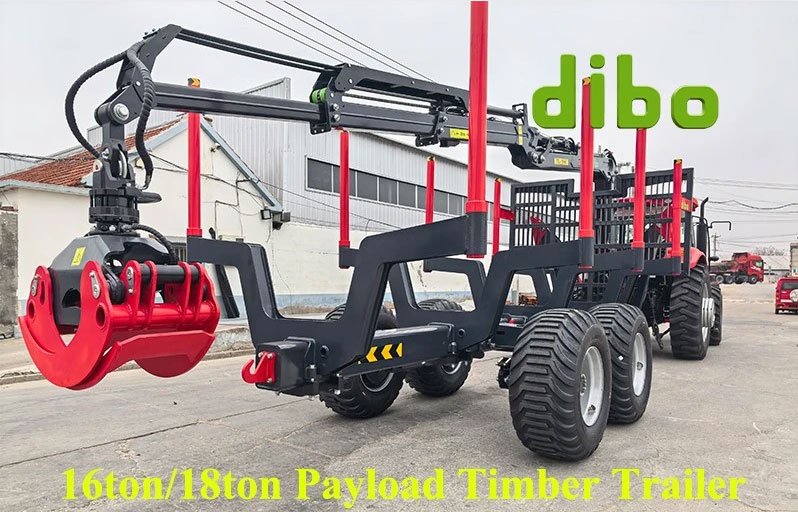
Preventing tip-overs is the top priority: remain highly vigilant against the risk of tipping, even when the trailer is unloaded and the outriggers are extended. If you sense the equipment is starting to tip, immediately lower the grapple to its lowest position using the main boom; never use the outer boom for this, as it could cause the grapple to strike the cab. Outriggers are designed for stability, not for lifting the vehicle chassis off the ground.
Follow operating procedures: Do not use the log grapple to push, pull, or ram other objects, and never use it as a pry bar or hammer. When handling heavy loads, avoid extending the boom too far to prevent the equipment from losing its balance. Operate hydraulic control levers smoothly; avoid sudden, jerky movements. Engage the parking brake during loading operations and, if necessary, place wheel chocks under the tires.
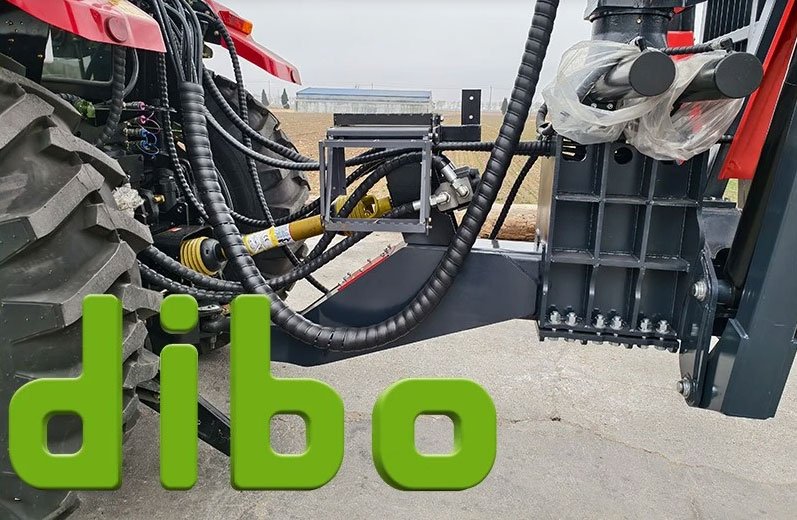
Perform daily inspections: Before starting work, carefully check for loose connecting bolts and inspect hydraulic hoses for leaks or damage. If hose damage or structural cracks are detected, the component must be replaced or the equipment taken out of service immediately.
Monitor hydraulic oil temperature: Pay close attention to hydraulic oil temperature during the summer. If the temperature exceeds 80°C, oil performance degrades and seals or hoses may be damaged; shut down the machine to allow it to cool down as needed.
Handling and transportation: locking in the risks
Standard parking and fixing: After loading is completed, the wood grabber arm should be retracted to the lowest position, and the grapple hook should tightly grasp the wood or the fixed point on the trailer to prevent it from shaking due to bumps during transportation.
Safe loading and unloading of the trailer: When operating the wood grabber to move the trailer up and down, remember to fully close the two grapple hooks first, and then prop them up to the ground, which is more stable.
In addition, before each start of work, it is best to confirm the scope of work and set up a safety warning zone (the danger radius is usually 20 meters) to prevent irrelevant personnel from entering.